From Dashboards to Conversations: Conway's Law in the AI Era
Traditional UIs mirror organizational silos. Conway's Law stands between you and your outcomes.
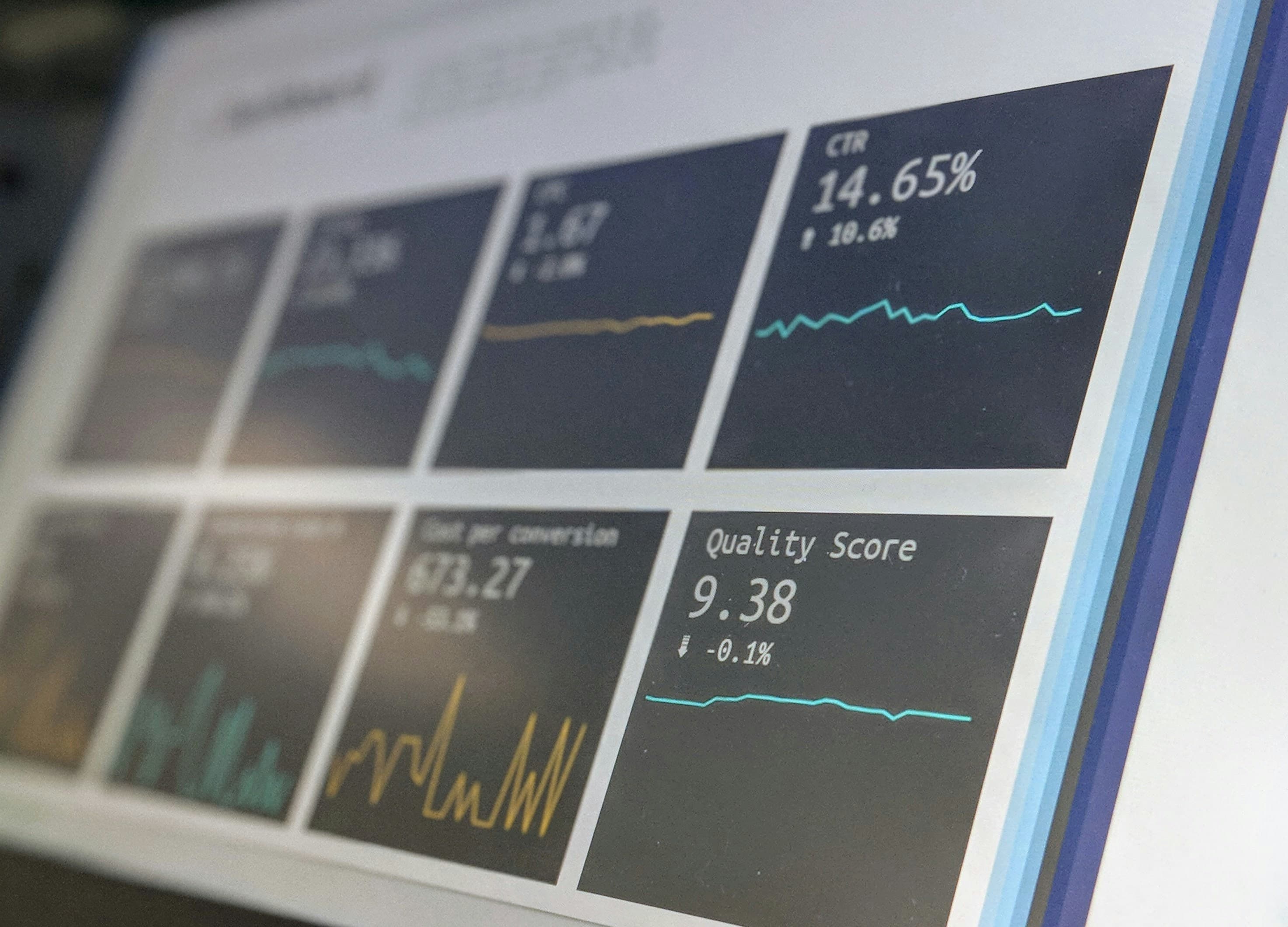
I've been thinking a lot about developer tools and user interfaces lately. For decades, we've been clicking buttons, filling forms, and navigating endless menus in tools like Jira, Grafana, and PagerDuty. These systems feel like digital filing cabinets: everything organized around the database, not around what I actually need to accomplish.
But something big is shifting. The traditional UI is evolving into something far more natural: just asking for what you need...in plain language.
Instead of learning where every metric lives across five dashboards, I can ask: "Show me last quarter's deployment frequency by service, highlight the ones with elevated error rates, and tell me who owns them." Done.
The Old Way: Mirrors of Organizational Dysfunction
Traditional dashboards look impressive at first glance, but they're exhausting to use in practice.
You have to know exactly where to click, which tab holds what, and how the data is sliced. Why are they built this way? Because most engineering organizations are siloed. Platform team here, backend there, SRE over there. The software ends up mimicking that structure.
Back in 1968, Melvin Conway observed that organizations design systems that mirror their own communication structures. If teams don't talk to each other, the software forces users to bridge those gaps manually.
Siloed org means siloed UI. Enterprise software often feels like navigating a bureaucratic org chart instead of getting work done.
The Conversational Way: Hiding the Mess Behind Intent
With conversational interfaces, the silos, while still present, become less obvious.
You type what you need, and the system figures out the rest. It pulls from GitHub, Jira, Kubernetes, PagerDuty, and Grafana without making you jump through hoops.
The difference? Instead of forcing users to navigate the org chart embedded in the UI, the right tools can flip the script. They unify fragmented data so the interface serves your intent, not the structure of the company that built it.
Why This Matters for Engineering Teams
I've wasted countless hours hunting for data across tools or teaching new engineers where to click. Better interfaces don't just save time. They reduce cognitive load. They make software feel like a tool again, not a puzzle.
Sure, challenges remain. Intents can be ambiguous, and we still need visuals for comprehension. Charts aren't going away. But the direction is clear.
Human language is the new UI layer.
Conway's Law Stands Between You and Your Outcomes
This is exactly why we built Six Degree. Conway's Law means your tools mirror your org structure, not your actual needs. The data itself is fragmented. GitHub here, Jira there, Slack somewhere else, production metrics scattered across monitoring tools. You're forced to bridge those gaps manually every single time.
Conversational interfaces can't magically unify what's fundamentally disconnected. They need a real-time map of how everything in your infrastructure relates to everything else.
Six Degree creates that unified intelligence layer:
- One coherent view across all your tools (GitHub, Jira, Slack, Kubernetes, PagerDuty, Grafana, and more)
- Relationship mapping that shows how services, teams, decisions, and incidents connect
- Context so you can ask "What's the blast radius of this service?" or "Who owns authentication?" without navigating five dashboards
When you have access to a unified view of your systems, conversational interfaces can finally deliver seamless experiences focused on what you need to accomplish, not how your org is structured.
The future isn't just about better models. It's about giving those models the right foundation to understand your unique systems. That's what we're building.